In Chiang Mai, there’s a city wide clean up in effect at the moment. Well, it’s more of an eastern side of the city effort, since the old town and west of it were unaffected by the flood. Some homes were filled neck-deep with floodwaters and people are now dealing with the smelly, sodden mess of destroyed furniture, filthy walls and floors, damaged fridges and other electrical appliances. Piles of soiled mattresses and other objects of rest and comfort and convenience blackened by floodwaters, line neighbourhood streets like some post apocalyptic scene, only slightly more organized. Unidentifiable debris, both organic and plastic, lay strewn about the city streets. Driving east on my road, Chang Moi, it’s obvious what the river touched. The pavement is ingrained with riverbed rust characteristic of rural villages where poverty has no proximal point of reference—it just is. Giant palms with hearty green fronds are coated in thick brown muck up to their waists and the lower lying foliage hangs heavy in defeat. A putrid smell of mildew, sewage, and what I can’t think of any other word for but river skank hangs in the air.
This is the least of the aftermath—many small towns further south are still soaking in black, stagnant water, now a breeding ground for mosquitoes and disease.
There seems to be an unwritten law that ensures tragedy strikes unfairly and unevenly, usually affecting the poorest and the most vulnerable people in the world. Thailand is a more developed and resource-rich country than many of its neighbours, but compared to the West, its recovery efforts are largely up to the people. Loss is kind of the beat on the street at the moment, but people are not busy filling out insurance forms or pointing fingers at the government, they’re greasing their elbows and busting their asses restoring Chiang Mai to her sparkling self. I’m kind of in awe.
Women gather on the neighbourhood streets washing each and every dish, spoon, fork, and glass, again and again and again. Shopkeepers drag their inventory out into the street and hose down each individual item. Restaurant owners cook and deliver hundreds of meals daily around the city. The joint effort is remarkable, and there’s something deeply symbolic about this collective cleanse. All at once, people are forced to haul out their trash, scrape the thick, oily gunk off countertops and furniture, and wash and scrub and rinse the floors and walls of their homes as many times as necessary until the water runs clear. It’s a level of cleaning mostly never done by anyone, save for people with obsessive-compulsive tendencies or those cleaning up after a murder. It forces us to pick through our sodden possessions and decide what’s worth the formidable cleaning effort and what has just been lying around like a psychic burden waiting for a flood of reality to reveal its true status—junk taking up space.
Those whose homes were unaffected by floodwaters are called upon to help friends, neighbours, and strangers tackle the task of the year, if not the decade. Because the humbling reality is that some messes are just too big to manage alone and we’re not all born with equal capacity or even courage for that matter. We’ll get to the homestretch and announce ah-ha, we’re nearly there! And then ease up on the effort, lose the momentum, shove some useless item back in a drawer, kick up our feet a little shy of a job well done, and then someone will remind us what more there is to do. Hopefully, we keep each other accountable for hard, honest, ongoing work.
So the present suffering and scrubbing and sorting through piles of shit is happening in solidarity. And it’s useful, actually, this reminder, that one person’s misfortune is everyone’s hardship. Shoving suffering into silos to keep our own shiny situations from getting soiled serves only to scaffold the false and far more damaging belief that we are an Us/Them just because some of us win and some of us lose.
I am so grateful to live here.
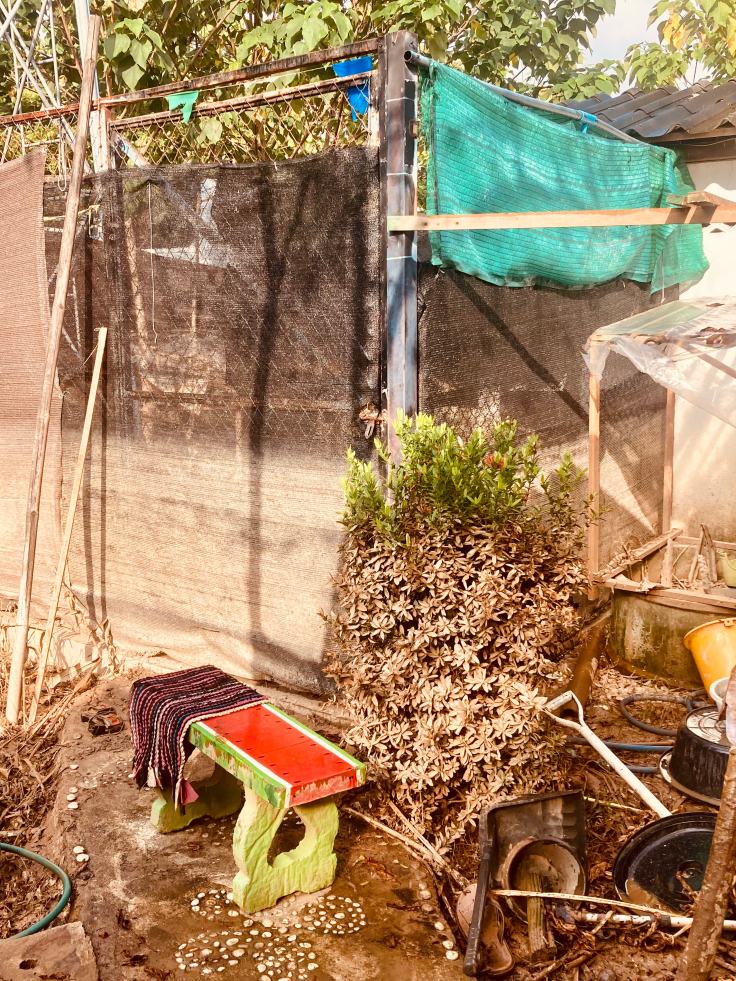
Photo: A very small piece of my friend’s backyard.
“It is only through the gates of suffering, either mental or physical, that we can pass into that tender sympathy with the griefs of all of mankind which it ought to be the ideal of every soul to attain.” (“a gifted young poet who wouldn’t live past 30 wrote to Emily Dickinson” – Marginalian).
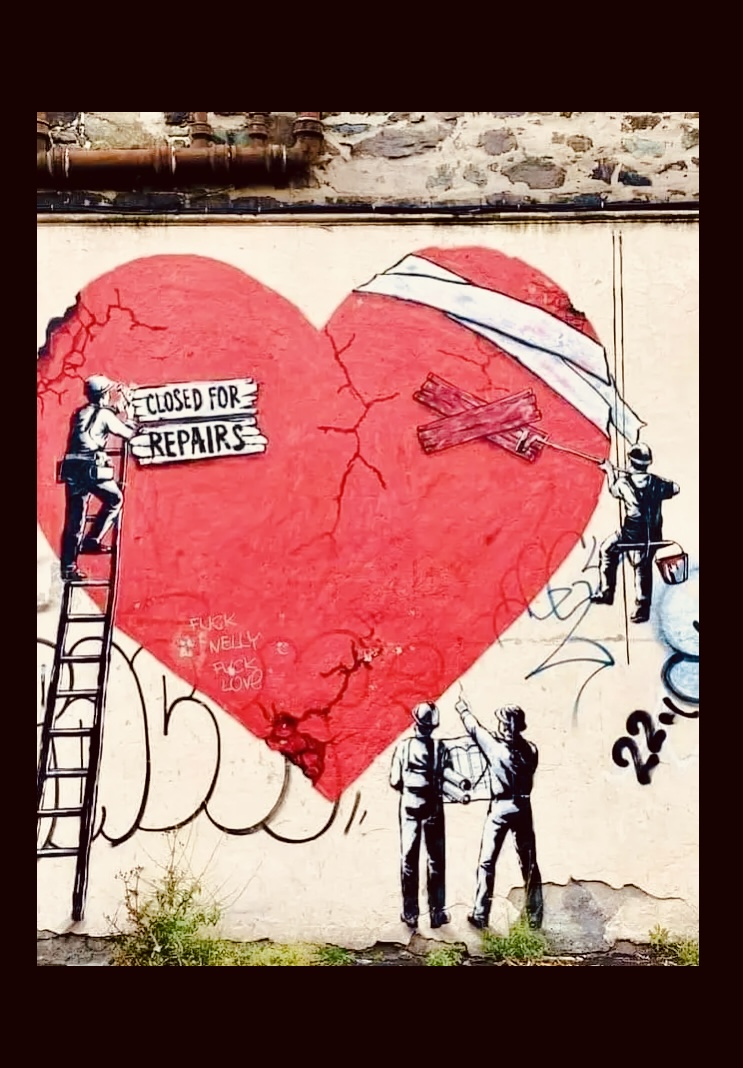
Feature photo credit: I don’t know! I found it in my camera roll as a screenshot 😦
 colleen thornton
Leave a comment